


While everyone knows that plants provide a beautiful accent to your space, another great feature houseplants offer is their ability to reduce toxins in the air and provide oxygen.
The topic of houseplants’ effect on indoor air quality is a topic that has been extensively studied. One famous book was written by B.C. Wolverton in partnership with NASA is, “How to Grow Fresh Air: 50 Houseplants That Purify Your Office”. The book was published in 1997 but continues to provide valuable information on the benefits of houseplants.
Researcher Kamal Meattle performed a TED talk on how he found a solution for indoor air quality pollution. His findings revealed that growing 3 types of houseplants in your home can solve this problem.
The 3 Housplants that can improve your air quality
Researcher Kamal Meattle performed a TED talk on how he found a solution for indoor air quality pollution. His findings revealed that growing 3 types of houseplants in your home can solve this problem.
Areca Palm
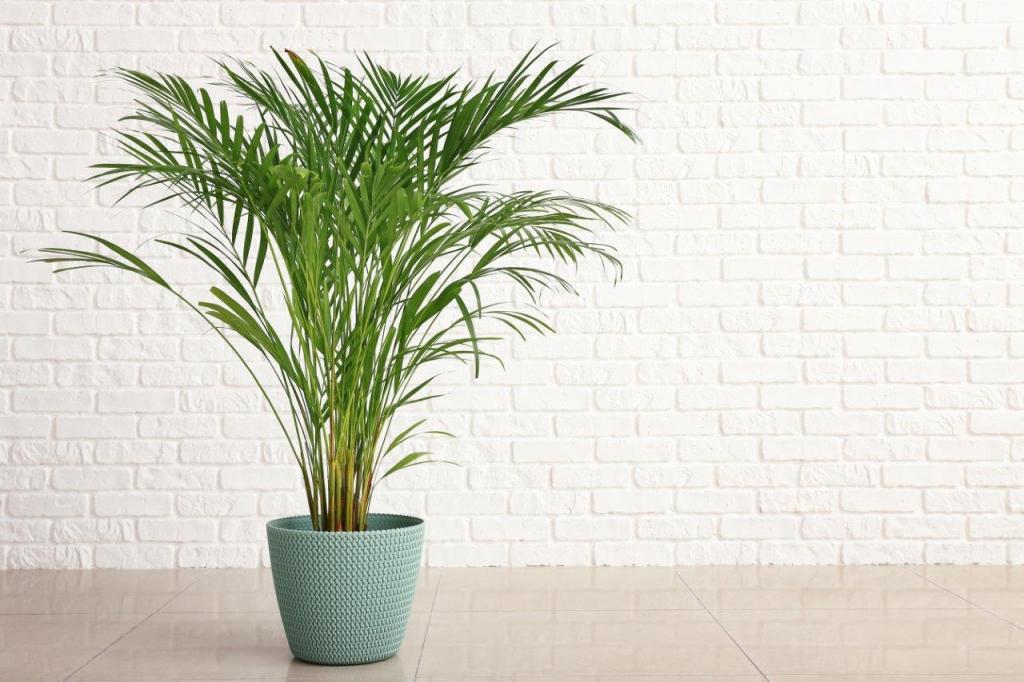
The Areca palm is a powerhouse when it comes to removing carbon dioxide and converting it into oxygen. It is considered the most efficient air purifying plant.
This plant is native to Madagascar where they grow under the dense tropical canopies. This means that they are a great low-light plant option. Low-light plants are often very efficient at capturing light meaning that they need to be efficient at processing the gasses needed in photosynthesis. Giving them a greater ability to absorb other gasses, including harmful ones that can be damaging to indoor air quality.
Mother-in-law’s Tongue
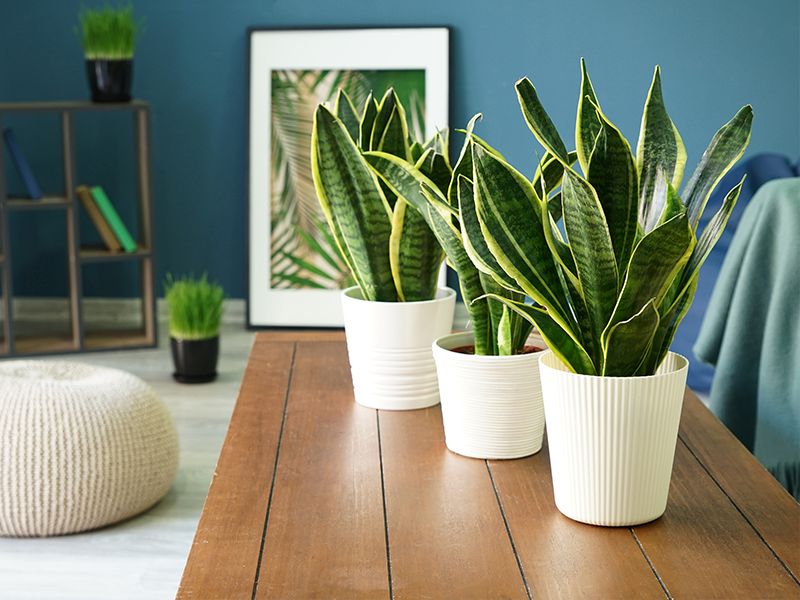
Mother-in-law’s tongue also known as a snake plant, is the perfect plant for your bedroom. Unlike many plants that stop producing oxygen at night, Mother-in-law’s tongue works while you sleep. It continues to convert C02 into oxygen throughout the night.
They are an excellent plant for people who struggle to keep houseplants alive. They require little watering and can tolerate low levels of light. Making them a great option for keeping your air quality good.
A fun fact Is about this plant is that if you were in a fully sealed room with no-air flow you would only need 6-8 snake plants to provide enough oxygen to survive.
Money Tree
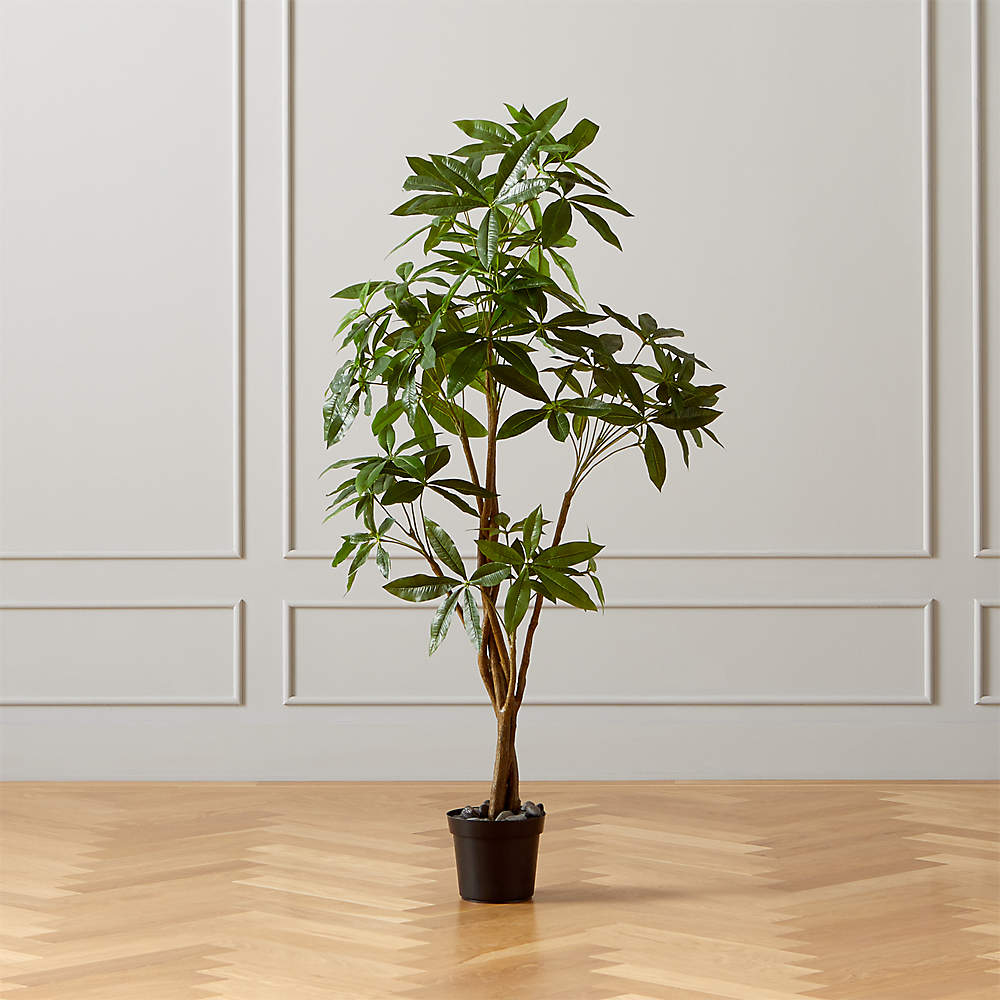
While the money tree works like any other plant to convert carbon dioxide into oxygen, it has the added benefit of removing formaldehyde and other volatile chemicals from the air.
The money palm is exceptional for absorbing off-gassing of volatile organic compounds (VOCs) from things like synthetic paints, cleaning products, and carpets.
What is causing toxins in my indoor air quality?
Air pollutants like acetone, xylene, toluene, and formaldehyde are emitted from petroleum products, like plastics, as well as paints and wooden furniture. Other products that can be contributing to this include nail polish, detergents, adhesives, and cleansers.
Other factors of air quality problems can be caused by poor ventilation trapping these gasses.
How can air quality problems affect me?
When indoor air quality is bad, it can lead to health issues such as eye, and respiratory issues. This can manifest in symptoms like wheezing, chest pain, dry throat, headaches, and nausea. In more severe cases it can lead to serious long-term health problems. To help minimize problems in indoor air quality consider products with low or no VOCs (volatile organic compounds) and know what health labels in products you are buying stand for and what to look out for!
 Studio Phillips