
A popular material that has been growing in prominence the last few years is rattan. As far as trend forecasting goes, rattan is not going anywhere!
It is most commonly seen in bohemian, eclectic, and coastal styles but it is versatile and has made its move through almost every style.
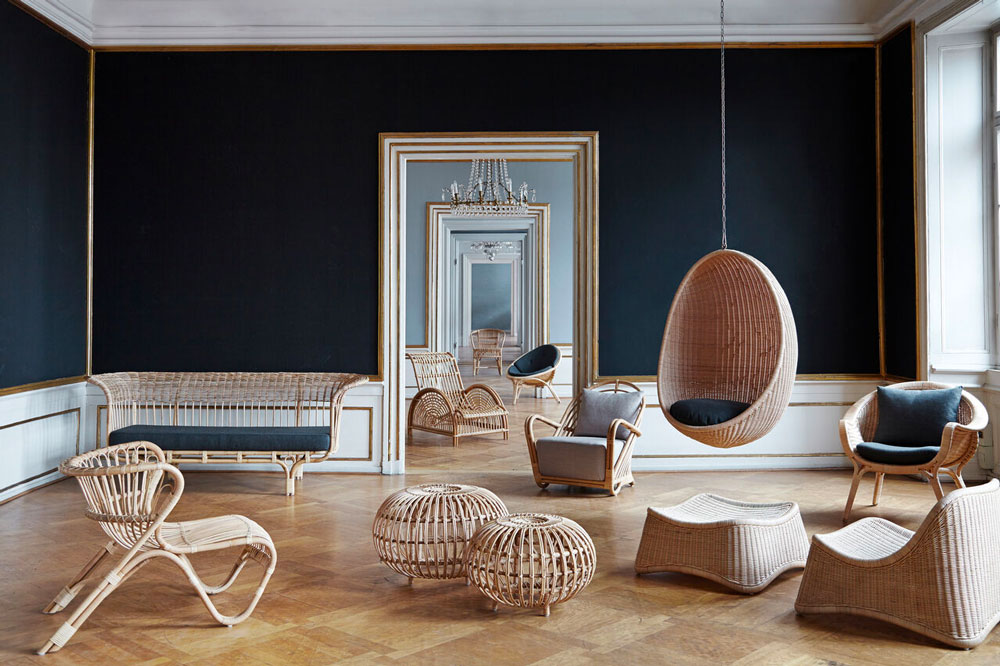
What is Rattan?
While rattan is often confused with the general weaving process, rattan is actually the name of the material. It is a type of wood that comes from a variety of climbing palm plants. Including around 600 species of the climbing palm. These plants are most often found in Southeast Asia, Africa, and Australia.
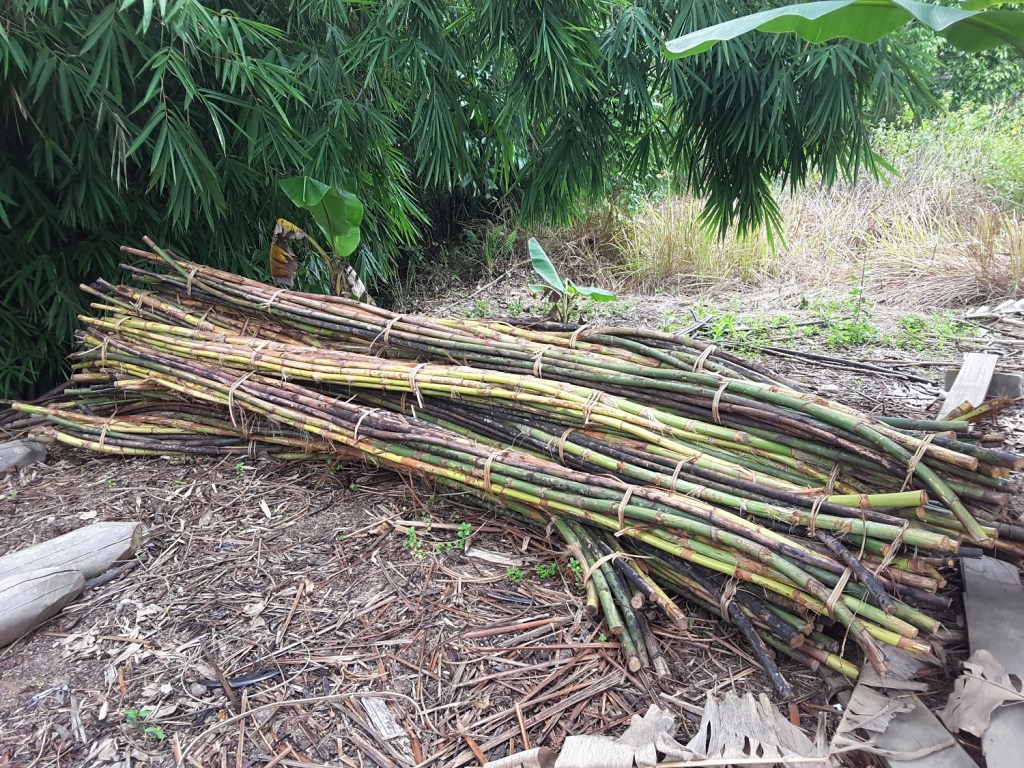
Is Rattan Sustainable?
Around 20% of rattan palm species are economically important and used in the production of furniture, buckets, mats, etc. In the last three decades there have been increased attempts at the commercial cultivation of rattan, but almost all rattan is still harvested from wild plants. The rattan plants are harvested by cutting the palm vines which grow up the base of other trees and climb up the trunk and branches.
The positive of rattan harvesting is that it provides a better alternative than timber logging. Rattan is easier to harvest and is easier to transport than traditional timber.
Its fast growth cycle makes it exceptionally sustainable to produce. It is the fastest developing tropical wood and renews its growth every 5 to 7 years (which is 7x faster than standard wood production). When the rattan plant is harvested, they typically re-plant the tip of the vine at the base of the tree for it to re-grow. The need for trees for the rattan plants to grow up encourages forest retention and is an incentive to let old-growth trees continue growing as they support the growth of the faster-producing rattan plant.
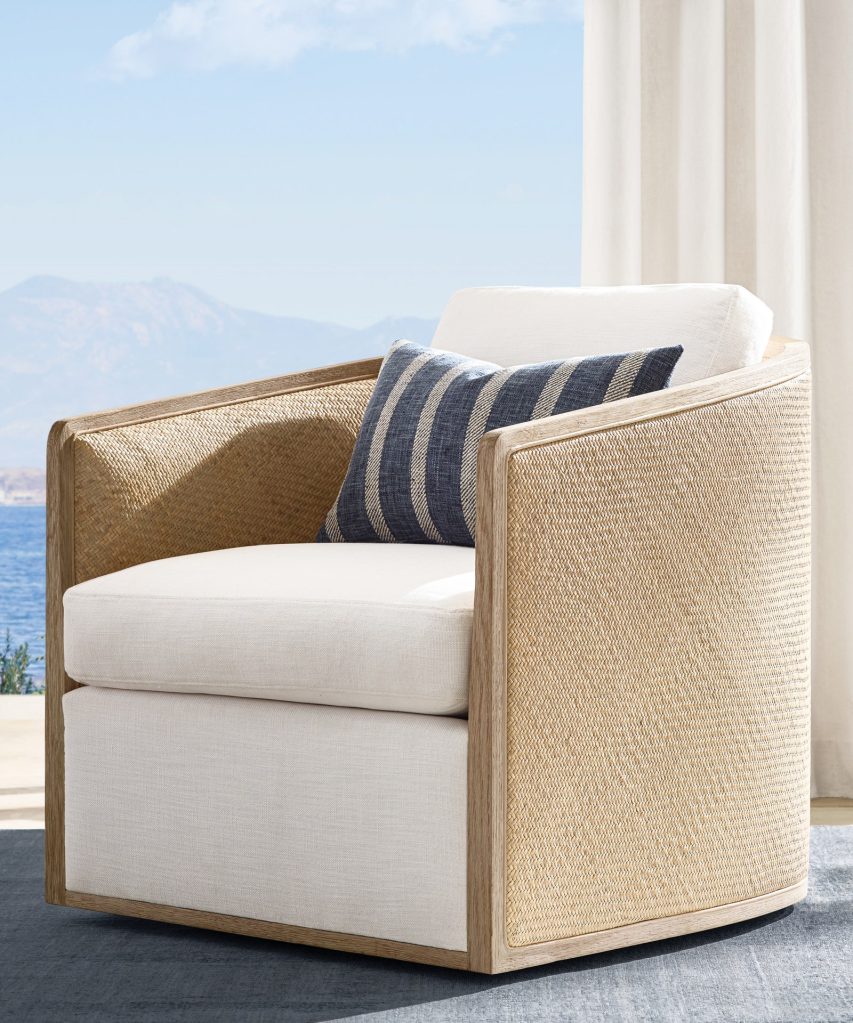
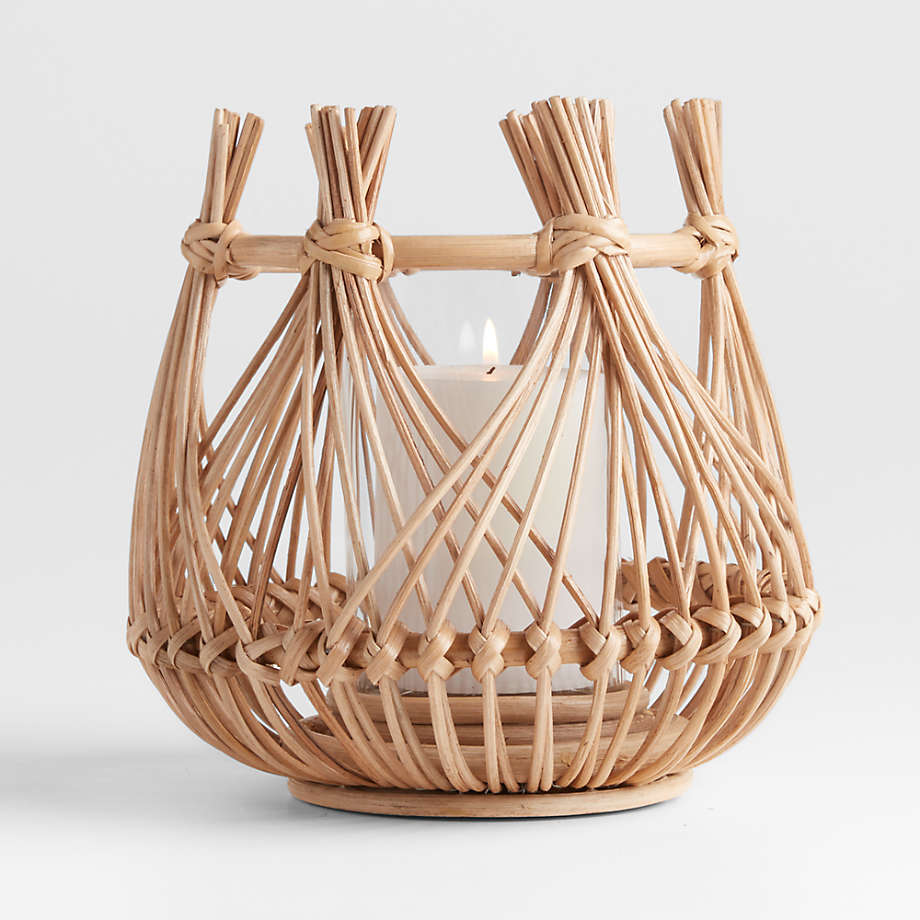
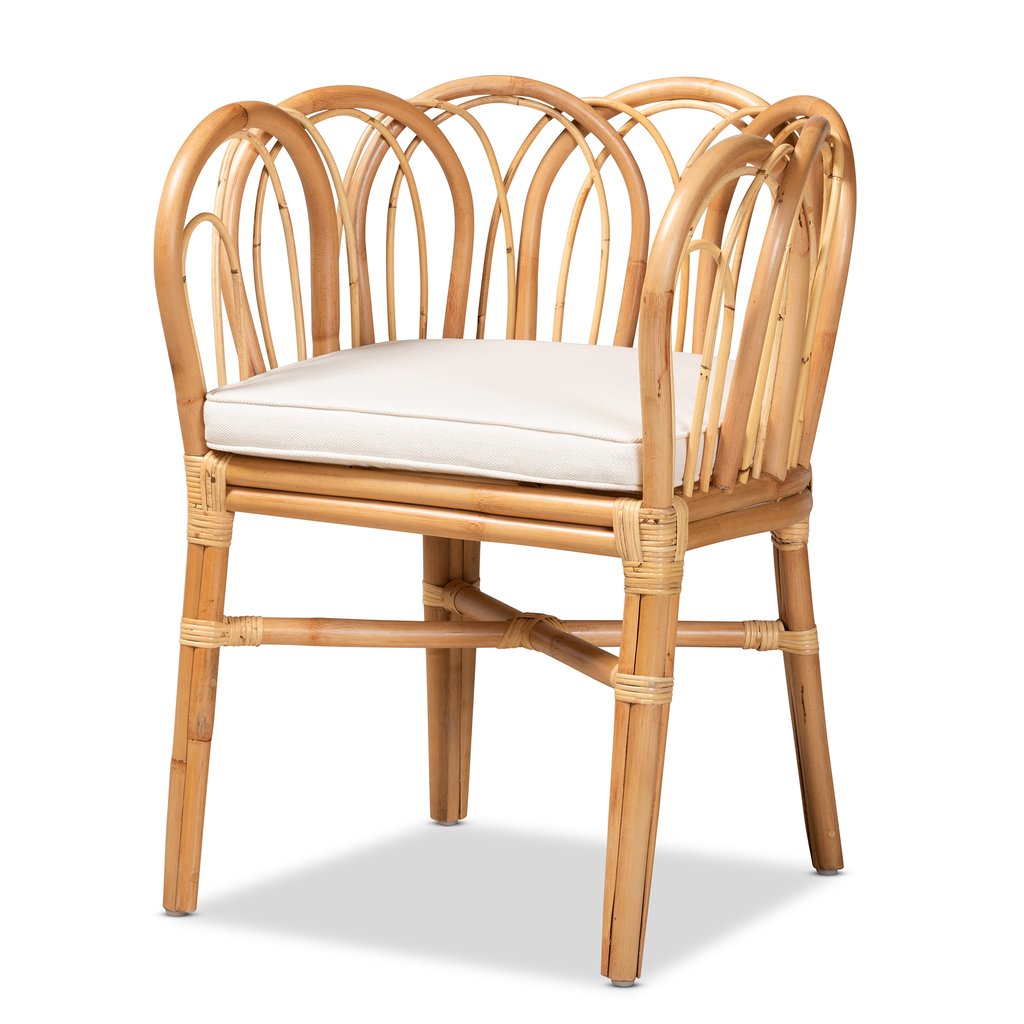
Check out these rattan furniture pieces we love!
If you want more information on rattan and sustainable practices check out:
BBCs video on the growth process of rattan plants
World Wildlife Foundations sustainable rattan and bamboo project where they are working to support the efforts of making rattan harvesting sustainable and supporting financing for small and medium sized enterprises.
For a full in-depth look at the process and environmental factors check out E. Lionelle Ngo-Samnick’s agricultural review of rattan production and processing.
 Studio Phillips